
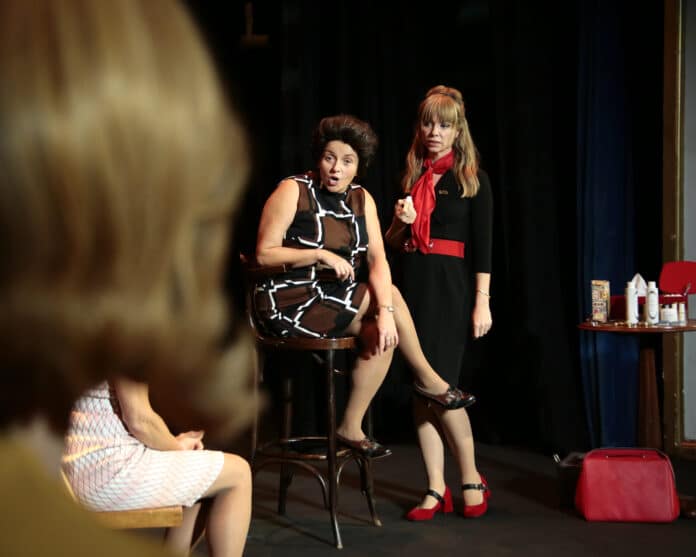

Some theatre visits carry a significance beyond the performance itself. For South Wales Life, attending the afternoon performance of The Revlon Girl at The Riverfront in Newport on Wednesday 21st October will be one of those occasions. The date marks exactly 60 years since the Aberfan disaster, bringing an additional weight to a play about the women who faced its devastating aftermath.
On 21st October 1966, a colliery spoil tip collapsed onto Aberfan, engulfing Pantglas Junior School and nearby homes. The disaster claimed 144 lives, including 116 children. Those figures remain almost impossible to comprehend, but behind every number was a person, a family and a future. Six decades later, remembrance remains deeply personal for the community and for Wales.
Written by Welsh playwright Neil Anthony Docking and directed by Maxine Evans, The Revlon Girl approaches that history through an intimate encounter. Set eight months after the disaster, it centres on four bereaved mothers and a visit from a cosmetics representative. Its starting point is a real story: women meeting above the Aberfan Hotel, finding somewhere they could talk freely and share the burden of their grief.
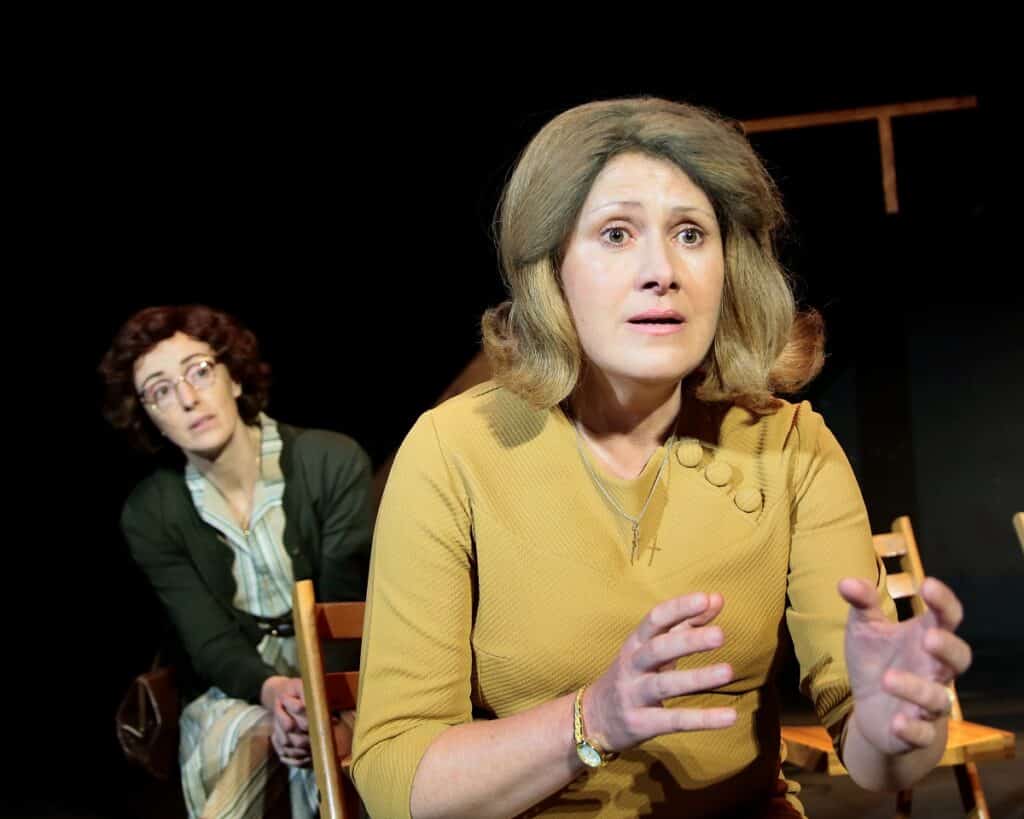
The premise is deceptively ordinary. Concerned about their appearance, and anxious that others might consider them frivolous, the women secretly arrange for a representative from Revlon to offer beauty advice. Against the enormity of their loss, such a gathering raises a painful question: when do bereaved people feel permitted to do something for themselves?
That question gives the story its particular emotional interest. A little attention to appearance can suggest a tentative return to familiar routines, while also carrying guilt about making that return. The idea invites us to think about how closely grief can become bound up with other people’s expectations, and how difficult an ordinary pleasure might suddenly feel.
Friendship matters here, too. The women’s meetings offer companionship among people who understand the experience without needing it explained. The production’s description makes room for tears and laughter alike. That combination feels especially appropriate to a story about lives continuing in circumstances nobody should have had to endure.
For a South Wales audience, the setting has an immediate closeness. Aberfan belongs to our national history, but it is also a community whose families have lived with the consequences across generations. An anniversary production asks audiences to approach the story with care, remembering that the history on stage remains part of people’s lives.
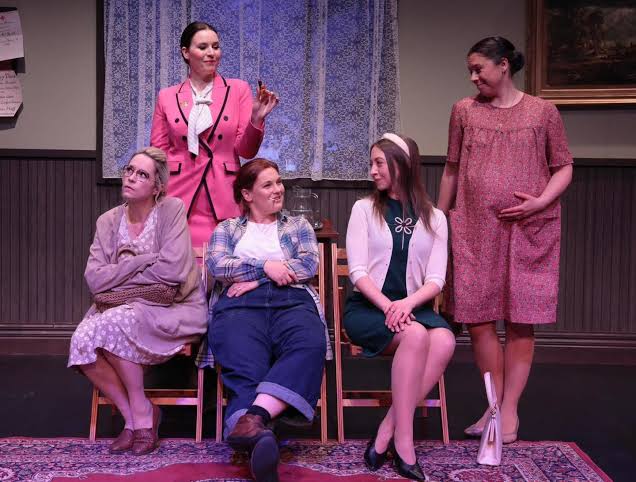
This return brings the original Olivier-nominated production back to audiences ten years after its inaugural performances. Its record includes the Off-West End Award for Best New Play and a successful journey through Wales, Edinburgh and London. Those achievements provide context for its reputation; tomorrow’s performance will offer the opportunity to consider how this revival tells the story now.
Before taking our seats, it is the modest scale of the encounter that feels most compelling: a room, a shared experience and an unexpected visitor. On an anniversary devoted to remembrance, that offers space to consider the daily human experience of bereavement alongside the historical record.
Powerful, deeply moving and often wonderfully funny, The Revlon Girl drew us into these women’s lives so completely that their grief and laughter felt shared by the whole audience. On more than one occasion, it’s fair to say there wasn’t a dry eye in the house.
Ten Facts About The Revlon Girl and Its Connection to Aberfan
- The anniversary falls on the performance date. Wednesday 21st October 2026 marks 60 years since the disaster on 21st October 1966.
- The disaster killed 144 people. Among those who died were 116 children and 28 adults, following the collapse of a tip associated with Merthyr Vale Colliery.
- The play takes place eight months afterwards. Its focus is the aftermath of the disaster and the experiences of bereaved mothers.
- Real meetings inspired the story. Mothers gathered above the Aberfan Hotel every Tuesday evening, where they could talk, cry and laugh together.
- The title refers to a cosmetics representative. The women secretly invited someone from Revlon to share beauty tips, worried that others would judge their interest in their appearance.
- There are five female roles. The script brings together four mothers and the visiting Revlon representative, giving women’s experiences the central place in the drama.
- Neil Anthony Docking wrote the play. Maxine Evans directs the returning production, which is presented by Nearside Productions in association with Park Theatre.
- It won a major new-writing award. The production received the 2018 Off-West End Award for Best New Play and an Olivier nomination for Outstanding Achievement in an Affiliate Theatre.
- The Newport engagement spanned two days. Performances were 20th October at 7.30pm and 21st October at 2pm and 7.30pm.
- The story continues beyond Newport. The production’s next engagement is at London’s Park Theatre, running from 26th October to 14th November 2026.
To explore the history and anniversary programme, visit HERE. And to find out more about the production, go HERE.